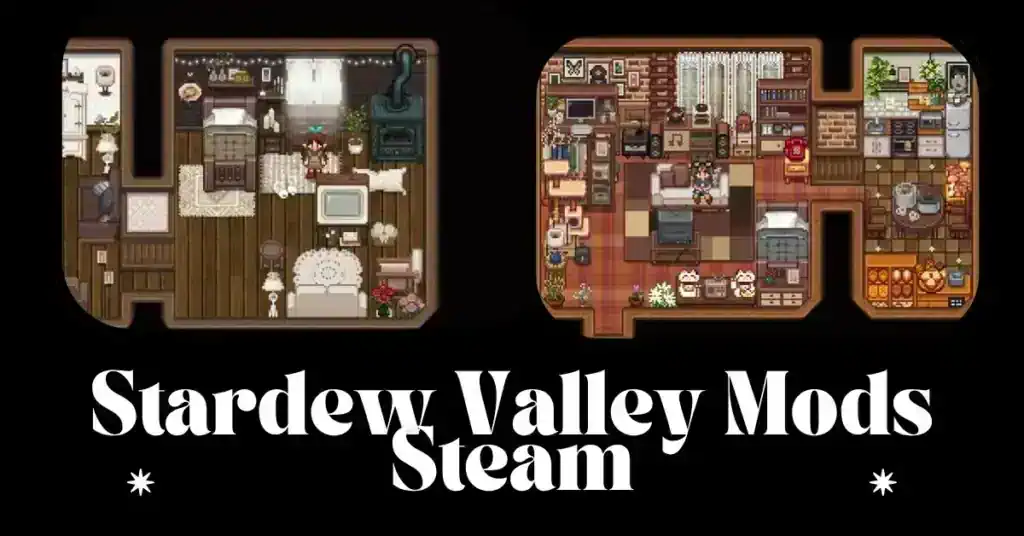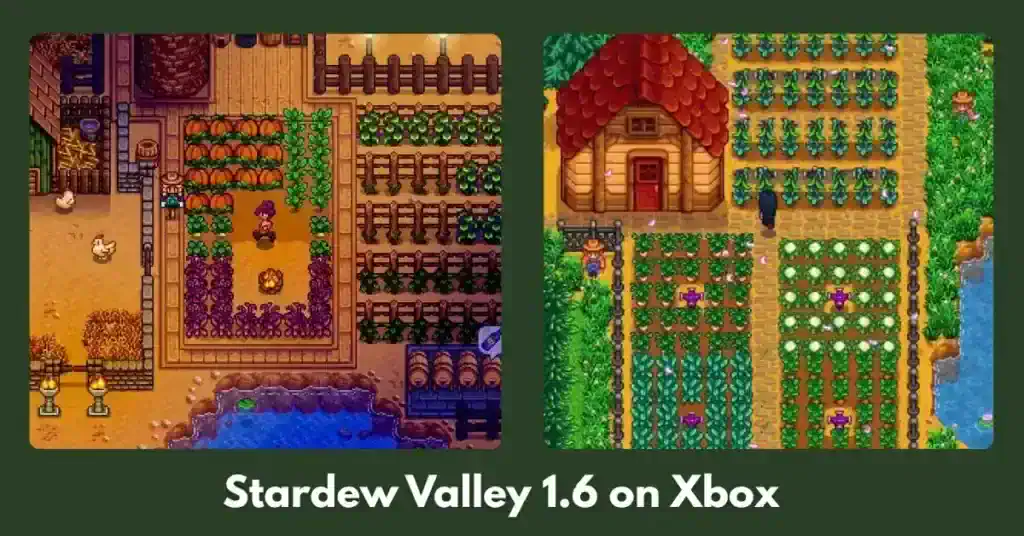
In an unexpected twist that has both gamers and political observers scratching their heads, the official White House social media account recently posted a Stardew Valley-style pixel art meme promoting the return of “whole milk”—and the internet’s reaction has been nothing short of extraordinary. What was likely intended as a playful cultural nod quickly became one of the most talked-about political memes of the year, drawing fire from fans, artists, and content creators alike.
A Meme That Took Over the Internet
On January 15, the White House’s X (formerly Twitter) account shared a simple yet striking message: “Whole milk is back.” Alongside the text was a pixelated image that unmistakably echoed the visual style of Stardew Valley—the beloved indie farming simulator known for its cozy aesthetic and tight-knit fan community.
In the image, a blocky, retro-inspired figure resembling President Donald Trump stands in a barn-like setting holding up a milk bottle, with a caption that suggested the return of whole milk to U.S. school lunches. The memo behind it: a recently signed policy reversing previous restrictions on higher-fat milk varieties in schools.
At face value, the effort appeared designed to tap into gaming culture—a bid to make government messaging feel more relatable to younger, digitally native audiences. But rather than being embraced, the post triggered a wave of outrage, confusion, and parody across Twitter/X, Reddit, Instagram, and Threads.
Stardew Valley Fans Say “Not Cool”
Fans of Stardew Valley were quick to react—and many were openly angry.
Critics accused the White House of borrowing the game’s recognizable pixel-art aesthetic without permission and relying on imagery many assumed was AI-generated. On Reddit, users dismissed the graphic as “AI slop,” calling it a tone-deaf attempt to co-opt an art style cherished for its charm, care, and strong community identity.
One popular joke captured the backlash perfectly: “You know this clown would exclusively pick the Joja run too.” The comment references JojaMart, Stardew Valley’s fictional megacorporation and a symbol of everything the game subtly critiques—making the comparison especially pointed for longtime fans.
Others tagged the game’s creator, Eric Barone, asking whether the usage was authorized. Barone has not commented publicly, but that hasn’t stopped fans from debating what his response should be, including calls for a cease-and-desist to protect the game’s identity.
The controversy also contrasts sharply with how fans prefer Stardew Valley to evolve—through community-driven projects like the Stardew Valley Gets Voices mod, which expands the game organically while respecting its tone and spirit.
Ultimately, the backlash shows just how protective the community is of Stardew Valley—not just as a game, but as a symbol of indie creativity and values many fans feel were misunderstood in this moment.
“Whole” Milk—More Than Just a Drink?
Beyond the stylistic controversy, some social media users also questioned the messaging itself. Critics debated whether promoting whole milk was odd, unnecessary, or even politically loaded—with some noticing deeper cultural or ideological associations tied to milk symbolism online.
Whole milk has occasionally appeared in broader internet culture discussions—sometimes even linked to fringe movements—though that context is far removed from the government’s stated intention of reversing school lunch restrictions. Still, the meme’s simplistic celebration of “whole milk” became a focal point for mockery and speculation alike.
Meanwhile, some users focused less on politics and more on the artistic execution. Commentators observed that the pixel art—likely AI-generated—didn’t authentically capture the nuanced look and feel of Stardew Valley but instead reproduced an awkward, slightly off pixel aesthetic that seemed more like a caricature than an homage.
Why This Meme Became a Big Deal
This episode highlights something bigger than just a weird meme: it underscores how political messaging and internet culture now collide in unpredictable ways.
In trying to harness the nostalgia and warmth that Stardew Valley evokes, the White House may have forgotten one key thing: fans of creative works are fiercely protective of their community’s culture and aesthetics. They want authenticity, respect for creative ownership, and messages that actually make sense in context—especially when public-facing government accounts are involved.
What might have looked like a savvy digital engagement strategy instead came off as tone-deaf and maybe even exploitative—particularly when the art style was linked to a specific message about public policy that many found awkward or irrelevant.
What’s Next?
For now, the meme continues to circulate online, with users remixing it, mocking it, and pushing it even further into full-blown internet satire. Whether Eric Barone (ConcernedApe) chooses to respond—or whether the incident sparks a wider conversation about the use of AI-generated imagery in government messaging—remains to be seen.
What’s clear is that the controversy has reignited broader interest in Stardew Valley itself, especially as the game continues to evolve through official updates and community-driven projects. Recent discussions around the Stardew Valley 1.7 update, which expands and refines the game rather than exploiting its aesthetic, have only sharpened the contrast.
One thing, however, is beyond doubt: the internet isn’t forgetting the Stardew Valley whole milk moment anytime soon.